
Northern Thailand Tour Route
Most people do about 7-14 days for this tour
Possible Tour Itinerary (14 Day Plan)
👇 Click the day to view that section
Day 1 BSR Bike Shop → Ayutthaya → Lop Buri (3 - 3.5 hours / 150 kms)
Day 2 Lop Buri → Petchabun / Thung Salaeng Luang (4.5 hours / 270 kms)
Day 3 Petchabun / Thung Salaeng Luang → Phu Tub Berk → Chiang Khan (4.5 hours / 240 kms)
Day 4 Chiang Khan → Pak Nai (5.5 - 6 hours / 300 kms)
Day 5 Pak Nai → Ferry Crossing → Chiang Mai (5.5 - 6 hours / 300 kms)
Day 7 Chiang Mai → Pai (3 hours / 130 kms)
Day 8 Pai → Mae Hong Son (2.5 hours / 110 kms)
Day 9 Mae Hong Son → Doi Inthanon (4 hours / 190 kms)
Day 10 Doi Inthanon → Sukhothai (5.5 hours / 300 kms)
Day 11 Sukhothai → Uthai Thani (4 hours / 230 kms)
Day 12 Uthai Thani → Erawan National Park (5 hours / 270 kms)
Day 13 Erawan National Park → Kanchanaburi (2 hours / 100 kms)
1. Ayutthaya & Lopburi
Why go: Ayutthaya, the capital of the Siamese kingdom and a UNESCO World Heritage Site. If you only see one temple in Thailand, it should be here. Lopburi, otherwise known as monkey city is a unique for it’s population of roughly 4,000 macaques monkeys.
Ayutthaya’s most famous temples
Wat Mahathat — Famous for the Buddha head entwined in tree roots; arguably Ayutthaya’s most iconic image.
Wat Phra Si Sanphet — Once part of the royal palace complex; its three grand chedis stand as symbols of the ancient capital.
Wat Chaiwatthanaram — A dramatic Khmer-style temple on the Chao Phraya’s west bank; especially atmospheric at sunset or by boat.
Wat Yai Chai Mongkhon — Known for its tall chedi and peaceful monastic grounds — a nice early-morning or late-afternoon visit.
LopBuri (Monkey city)
Phra Prang Sam Yot: A large, ancient temple and the most famous site for observing the local macaque monkeys.
🍲 Local Food
Try Ayutthaya boat noodles or riverside grilled prawns — many local eateries near the old city are highly rated and give a taste of traditional Thai flavors.
2. Petchabun
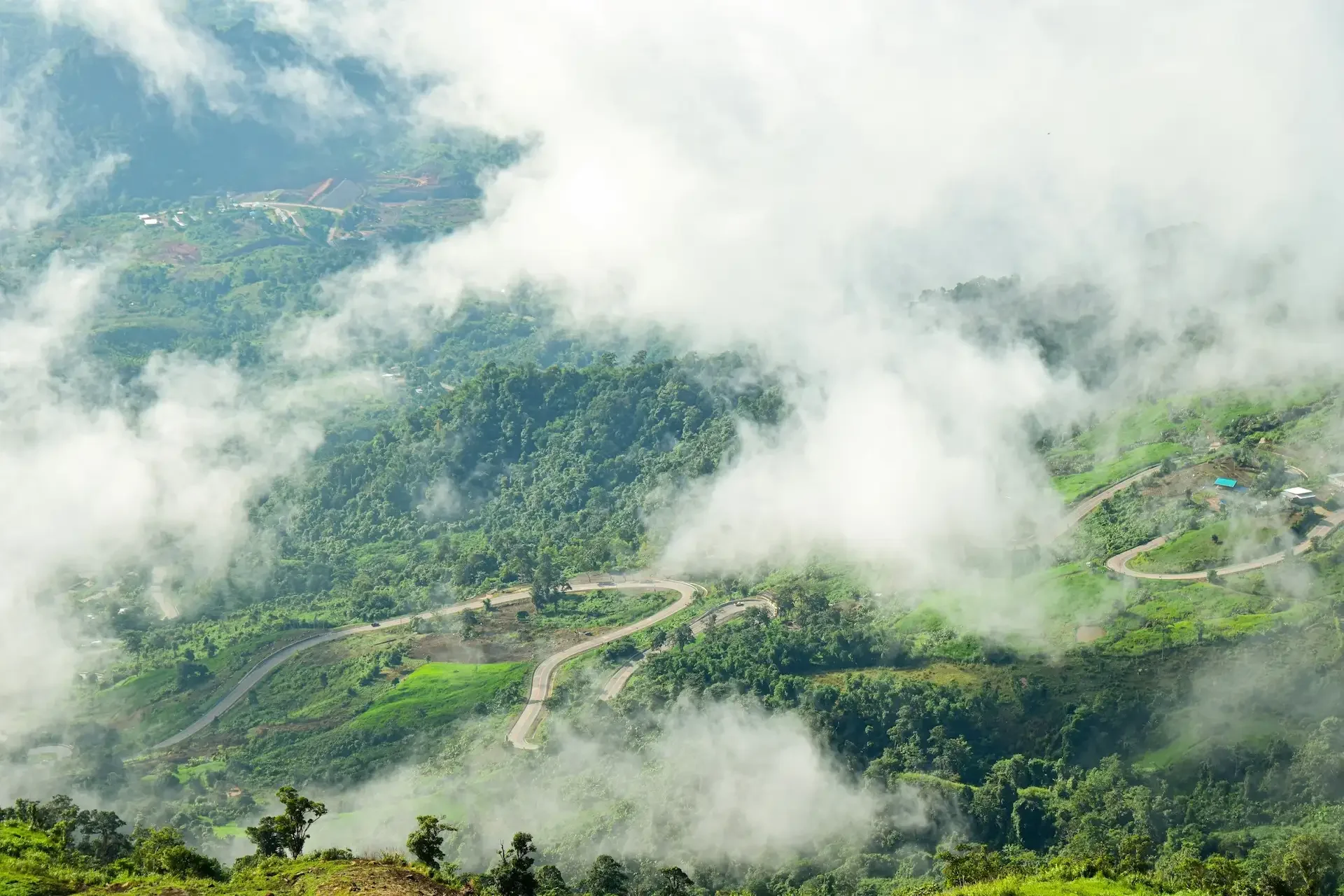
Why go: Phetchabun is a city located at the base of multiple mountains making a great place to see beautiful views and experience cooler weather, but really we just like the twisty roads going up and down.
Top highlights
Thung Salaeng Luang National Park – Is known for having some of the best views in Thailand, along with multiple hiking trails for exploration.
Phu Tub Berk — Is the tallest peak in Petchabun province and is well known for for having panoramic views and expecially the early morning “sea of clouds”
Hill-tribe village — the influx of hill tribe (Hmong) communities gives unique local culture, cuisine, and the chance to see into the traditional rural highland living.
Where to stay:
Accommodations are easy to find within the city of Petchabun, while Thung Salaeng National Park offers limited bungalows and camping locations. Phu Tub Berk has a fair amount of home stays and small hotels along it’s peak offering astounding views and minimal prices.
🎯 Why This Plan Works
Outside of public holidays such as New Years when local Thais flock to the mountains, these areas are much less crowded than the typical tourist-heavy national parks providing a very quiet and enjoyable experience.
3. Chiang Khan
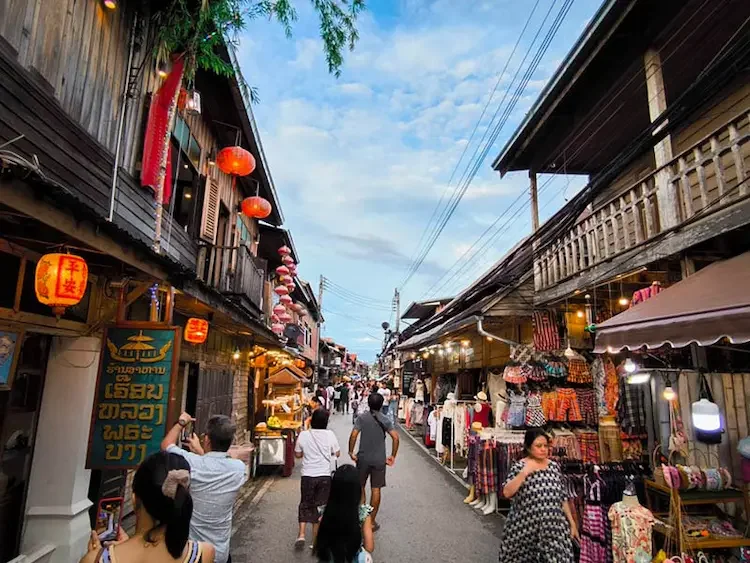
Why go: Is a charming riverside town on the Mekong river making the divide between Thailand and Laos. With traditional teak wooden houses & old-town atmosphere it is a very relaxed place to visit. It is not about big resorts, and thus is more suited to slow days, and quiet evenings. It’s a nice change from the high-tourism areas.
Top Highlights
Huai Krathing — a popular (Thai) tourist destination known for it’s waterside restaurants and covered floating rafts where after being served your food you are pulled out into the lake via a long-tail boat and where you can enjoy your food, drinks, and swim in the lake.
Walking Street — A narrow street of traditional teakwood houses (running along the Mekong river) where there are many cafes, guesthouses, souvenir shops, and on the weekend is a walking-street market.
Riverside Promenade — A relaxed riverside walkway along the Mekong River (parallel to walking street) which provides the river and mountain views all while looking over Laos on the other side of the river.
Bonus experience: On some mornings (especially early) you can witness the local Buddhist alms-giving ceremony (monks walking the street collecting offerings) — a calm, reflective cultural ritual.
🌿 Local foods
Local cuisine & street-food : Sai Krok would be a sausage that is native to the northern/Isan portion of Thailand, it’s known for its tangy, garlicky, and savory flavor.
Where to stay
Guesthouses / homestays in wooden houses by the river: Staying in a traditional teakwood house or a simple guesthouse along Walking Street or riverside is part of Chiang Khan’s charm — you wake up to the sound of river and local life instead of traffic.
4. Pak Nai
Why go: Is a fishing village on the Sirikit reservoir and is the crossing point for he Pak Nai Ferry. Many locals run raft-house restaurants or floating houses making it a rather unique experience and gives insight to the lifestyle away from the traditional big city-tourist economy.
When you are here:
🚣 Boat rides on the reservoir: Cruise along the reservoir and see the floating-house communities and surrounding scenery.
🍽️ Eat fresh fish at raft-house restaurants: Local restaurants on floating rafts serve fish caught from the reservoir — species like catfish, gourami, tilapia, etc. A good way to enjoy regional flavors and fresh catch while on the water.
🛶 Stay overnight on a raft-house / floating accommodation: Some raft-houses double as guesthouses — staying overnight offers a relaxing, immersive lake-living experience under stars, with water all around.
🎣 Fishing or observing local fishing-village life: Since Pak Nai is a fishing community, you get a glimpse of traditional livelihoods along with water life, which is a somewhat off-the-beaten-path experience compared to mainstream tourist spots.
5. Chiang Mai
Why go: Set against a backdrop of mountains, it's also famous for its bustling night markets, outdoor adventures, elephant sanctuaries and waterfalls. The city is a hub for traditional crafts and a popular destination for tourists seeking a blend of ancient history and modern-day experiences.
This list of things to do could go on forever…
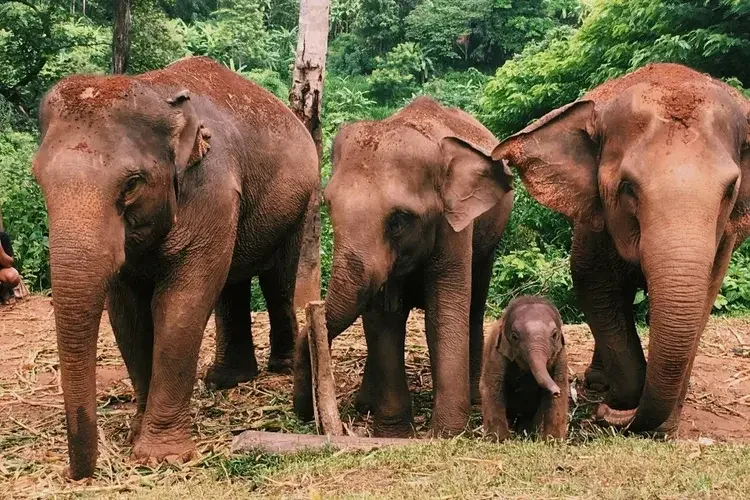
Elephant Sanctuaries — There are several elephant sanctuaries in the region that offer a variety of experiences. Some will be more oriented towards shows and riding, while others will be rescues that focus on responsible tourism and ethics.
Ziplining — The jungle ziplines are a completely thrilling experience. There are multiple options that are known to be held to international standard and exceptional quality.
White Water Rafting — Outfitters have multiple options to cater to thrill seekers of all levels, including all the way up to Class IV (during rainy season). Set in the jungle, it’s an amazing experience.
Night Bazaar Market— One of many markets in Chiang Mai, the night Bazaar is open every evening selling handicrafts, clothing, and street food, located outside the Old City.
.🍲 Local Food to try: Khao soi is a rich, creamy, and spicy coconut curry noodle soup, traditionally made with egg noodles and served with a choice of meat like chicken or beef. A signature element is the contrasting textures of soft noodles in the broth and crispy fried noodles on top.
Where to get Lodging: Chiang Mai’s “Old City” is quite literally the original city still surrounded by a moat today. It houses several of best hotels, restaurants, markets, shopping, etc.
6. Pai
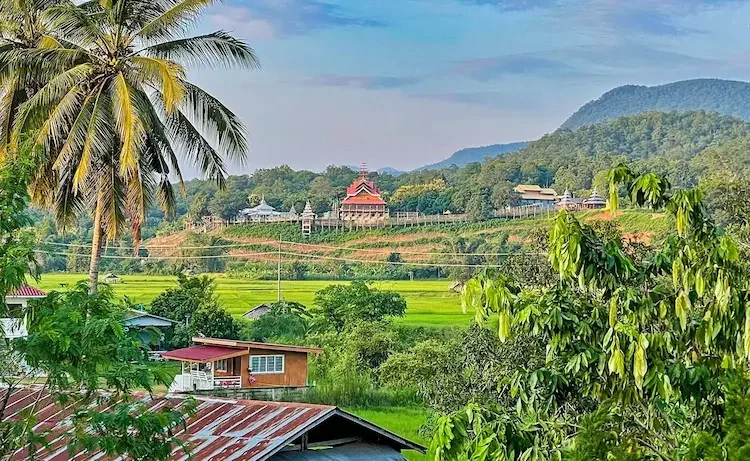
Why go: The center of the "Mae Hong Son loop”, the famous road that is equally known for it’s continuously flowing corners as well as it is for natural beauty. Pai is a small city set in the mountains known for it’s laid-back vibe and natural beauty.
Things to do…
Nature & Scenery:Pai Canyon for sunset views, Mo Paeng Waterfall, bamboo bridges, rice fields, and panoramic viewpoints.
Pai Walking Street: Open daily starting around 5 PM(getting busy by 6 PM), it is a vibrant night market with food, crafts, and music
Adventure: River tubing (Tipsy Tubing), local hiking, and exploring caves like Tham Lod Cave
Relaxation: Everything from natural hot springs (Tha Pai Hot Springs, Sai Ngam Hot Springs), to music cafes and local pottery classes. This is a place that knows how to cater to those who want to relax.
.Artistic Hub: With the relaxed atmosphere Pai attracts many artists, musicians, and nomads, fostering the creative environment.
Eats: Local cuisine is a blend of Northern Thai (Lanna) and Shan (from neighboring Myanmar) influences.
7. Mae Hong Son
Why go: Much like it’s neighboring city of Pai, Mae Hong Son is a relaxed atmoshpher small town in the heart of the “The Loop”. Known for it’s nature, beauty, and incredible driving roads.
What’s in the area…
Wat Phra That Doi Kong Mu: A sacred temple located on a hill to the west of Mae Hong Son city.
Nature & Adventure: Trekking, limestone caves (like Tham Pla), waterfalls (Pha Suea), hot springs (Pha Bong), and national parks.
Culture & Traditions: Home to diverse hill tribes (Karen, Hmong, Lahu, Lisu) with unique crafts and customs.
Eats: Local cuisine is a blend of Northern Thai (Lanna) and Shan (from neighboring Myanmar) influences.
8. Doi Inthanon
Why go: Thailand's highest mountian peak offering a refreshing escape from the often lowland heat with diverse natural beauty and cultural experiences.
What’s in the area…
Highest Point: Visit the summit, Thailand's "roof," for panoramic views and a sign marking the spot.
Royal Twin Pagodas: See the beautifully adorned King and Queen Chedis, surrounded by gardens.
Waterfalls: Explore impressive falls like Wachirathan and Mae Ya
Nature Trails: Hike trails like Kew Mae Pan or Ang Ka to experience rainforests and cloud forests.
Hill Tribe Culture: You can visit the remote Karen villages to see local life and coffee cultivation
Local Eats: With the support of the Royal Projects, trout dishes (like trout with salted fish, fish & chips) and mushrooms (shiitake), are prevelant local dishes in the area
9. Sukhothai
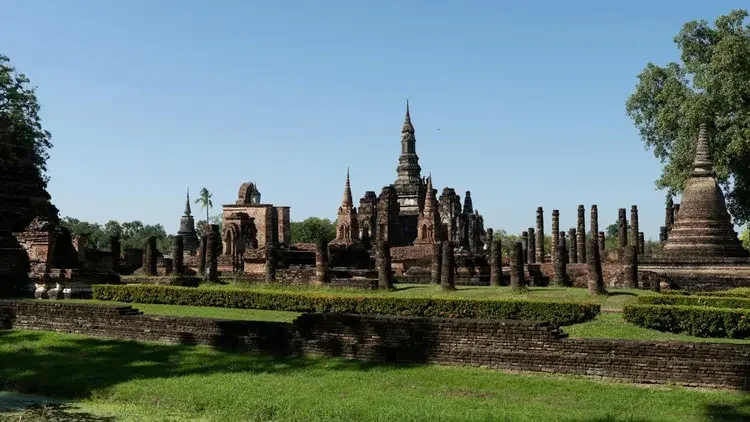
Why go: Thailand's first capital, and also a UNESCO World Heritage site, Sukhothai is where Thai culture, art , and the Thai alphabet originated in the 13th-15th centuries. A modest sized city with increible importance and history.
The Highlights…
Historical Park: As Thailand’s oldest campital, the UNESCO site houses the ramins of the old palace along with several temples that have been well preserved. Due to it’s location being quite far from any “tourst towns”, it generally is a quite attraction to visit despite it’s prominence.
Elephant Sanctuary: Visit Boon Lott's for an ethical experience helping rescued elephants
Morning Alms: Observe or offer food to monks during their morning rounds.
Tips for Your Visit
Dress Code: Dress modestly (cover shoulders and knees) for temple visits.
Getting Around: Bicycles are great; golf buggies or hop-on/hop-off trams are also available.
Tickets: You'll need separate tickets for the Central, Northern, and Western zones of the Historical Park.
10. Uthai Thani
Why go: Visit Uthai Thani for an authentic, peaceful Thai experience away from crowds.
The Highlights…
Khao Pla Ra: Is a mountain that features prehistoric wall paintings of human and animals on cliffs from ancient tribes in prehistoric period
Raft House Community: Take a boat trip to see the traditional floating houses on the Sakae Krang River which is a rare sight in Thailand
Morning/Evening Market: This market is central to the raft house community, operating along the river, a good place to experie the local life, fresh food, and cultural activities.
Wildlife Sanctuary: Created in 1974 the Huai Kha Khaeng Sanctuary is home to the largest population of tigers in Thailand, along with other species such as banteng, elephants and leopards.
Local drink: Visit the fruit orchards for fresh produce and enjoy unique experiences like drinking fragrant rice-water drinks (nam mo)
11. Erawan National Park
Why go: Erawan National Park is a popular destination in Konchanaburi at the base of the Srinakarin Dam. It’s a common destination for people to Bangkok to come and drive the surrounding roads along the lake.
Top highlights
Erawan Waterfalls – One of Thailand’s most famous waterfall sites, a seven tier waterfall, with emerald-green pools, jungle trekking, and swimming.
Hua Mae Khamin Waterfall— A stunning 7-tiered waterfall set deep in jungle within the Khuean Srinagarindra National Park. Known for crystal-clear pools and tranquil forest paths. It’s ideal for hiking and immersing yourself in nature, away from the crowds.
Things to know: There is a short section of dirt road between the Khuean Srinagarindra National Park and the ferry.
Where to stay: There is minimal, though usually adequate lodging on the southern/west sides of the lake. Alternatively, there are home stays along the road to Konchanaburi as well.
12. Kanchanaburi
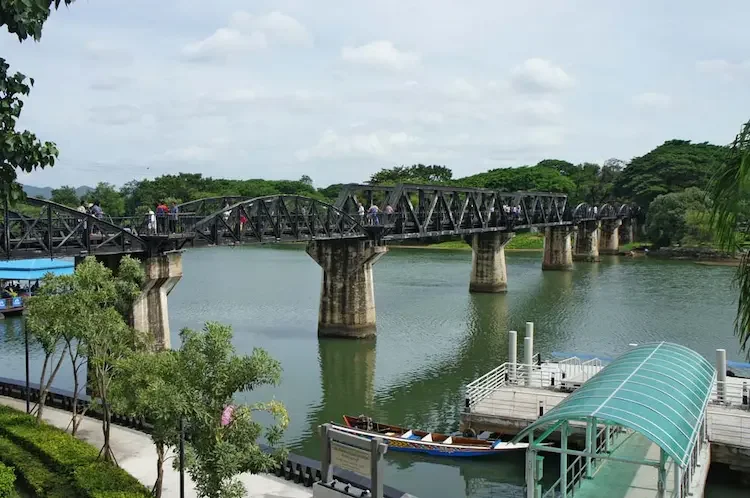
Kanchanaburi is known for its historical significance during World War II and its stunning natural beauty, making it popular destination all around. It is most famous for the Bridge over the River Kwai and the Death Railway, but also has numerous national parks, waterfalls, caves, and adventure activities.
RECOMMENDED SITES:
Bridge over the River Kwai– The most iconic landmark in Kanchanaburi. Originally part of the WWII-era “Death Railway”, the bridge is a historically significant site.
Death Railway Bridge (Tham Krasae) – A very famous and scenic wooden bridge on the Death Railway, build by POWs under brutal conditions during WWII. It clings to a cliff face and cave (former POW shelter) and is still in use today.
Don Rak War Cemetery– Also known as the Allied War Cemetery. A sobering, serene site with thousands of graves of POWs who died building the railway.
Sai Yok Noi Waterfall — A quieter, more laid-back National Park with waterfalls, caves and riverside scenery.
🌮 Local food / culture tip: In Kanchanaburi you’ll find foods typical to the region — fresh river fish, Thai-style grilled chicken (“gai yang”), and local markets near the Kwai River Bridge where you can sample authentic northern-style or river-inspired dishes.
Where to stay: There is many accommodation of every type available in Kanchanaburi, however the Floating Hotels on the River Kwai are the most iconic by far.
🧭 Tips & What to Know
Avoid tolls: Use the map link shown above and set Avoid tolls in Google Maps.
Park fees & opening hours: National parks collect entrance fees; check opening times & any access limits
Gear: Bring rain jacket in wet season; sturdy shoes for hiking; insect repellent for jungle trails.